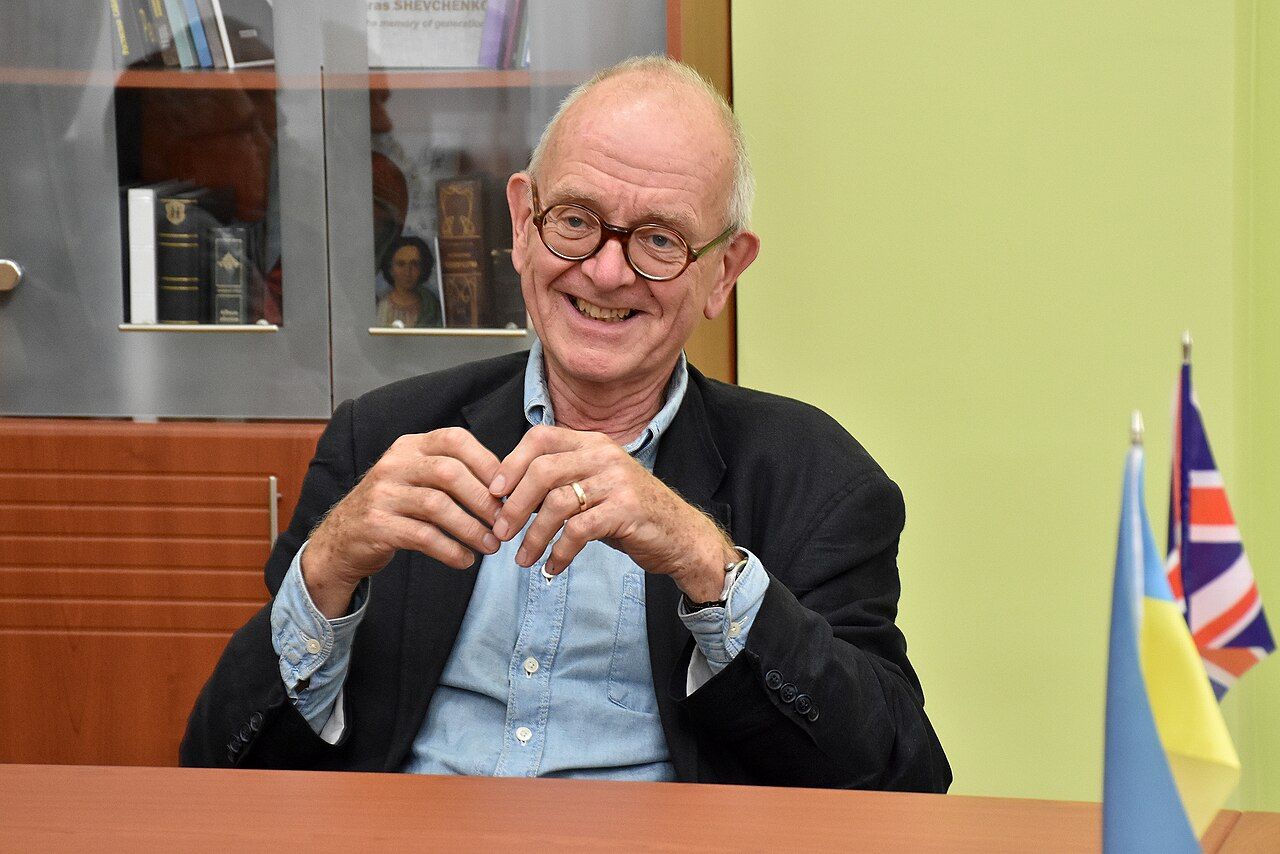
From the public record. Written from the published sources listed at the end. RICH DOCTOR has not interviewed Henry Marsh; every quotation comes from a cited source.
Their path
1950
Born in Oxford
1992
Begins working with neurosurgeons in Ukraine
2010
Appointed CBE
2014
Publishes Do No Harm
2015
Retires from NHS surgery; keeps operating and teaching abroad
2022
Publishes And Finally, written after his cancer diagnosis
Henry Marsh did not begin in medicine. Born in Oxford in 1950, he first took a degree in philosophy, politics and economics at the University of Oxford, and only then trained as a doctor.5 He became one of Britain’s best-known neurosurgeons, and one of the most candid writers about what surgery costs, for patients and for surgeons.
The surgeon
For around thirty years he was a consultant neurosurgeon in London, at Atkinson Morley’s and St George’s hospitals, retiring from NHS practice in 2015.15 He was appointed CBE in 2010.5
From 1992 he also worked with neurosurgeons in Ukraine. He first went as a visiting lecturer and later described the experience of the hospitals there as “like going back in a time machine”.2 That work, alongside his Ukrainian colleague Igor Kurilets, was the subject of the 2007 documentary The English Surgeon.52
The writer
His book Do No Harm, published in 2014, was unusual for its honesty about mistakes, doubt and the gap between how surgeons are seen and how they feel.1 It won the Ackerley Prize in 2015.5
He has kept a clear sense of what the work demands. In 2009 he said that “all neurosurgeons should be in awe of the brain and really, in awe of their patients.”2
In 2021 he was diagnosed with advanced prostate cancer, which led to And Finally (2022), about crossing from doctor to patient.53 “Illness happens to patients, not to doctors,” he observed of the assumption he had once shared.3 In 2023 he co-founded the charity Hospice Ukraine.54
Beyond medicine
Outside the operating theatre, he makes furniture and keeps bees.5 He is married to the anthropologist Kate Fox.5
What the path shows
Marsh’s career is rich in a sense that has little to do with money. It includes a first degree in something else entirely, three decades of work in another country, books that made other doctors feel less alone with their mistakes, and a life of making things with his hands.
For a young doctor, the most useful lesson may be the honesty. The habit of telling the truth about error, to colleagues, to patients and to oneself, is a clinical skill, and he made it a public one.
Pieces bylined to The Editors are written and edited by the RICH DOCTOR editorial team and represent the publication's own view. Every claim is sourced, and corrections are made openly.
Standing interests: The publication has no commercial relationships with any company mentioned in our independent journalism. Partner content and affiliate links are always labelled.